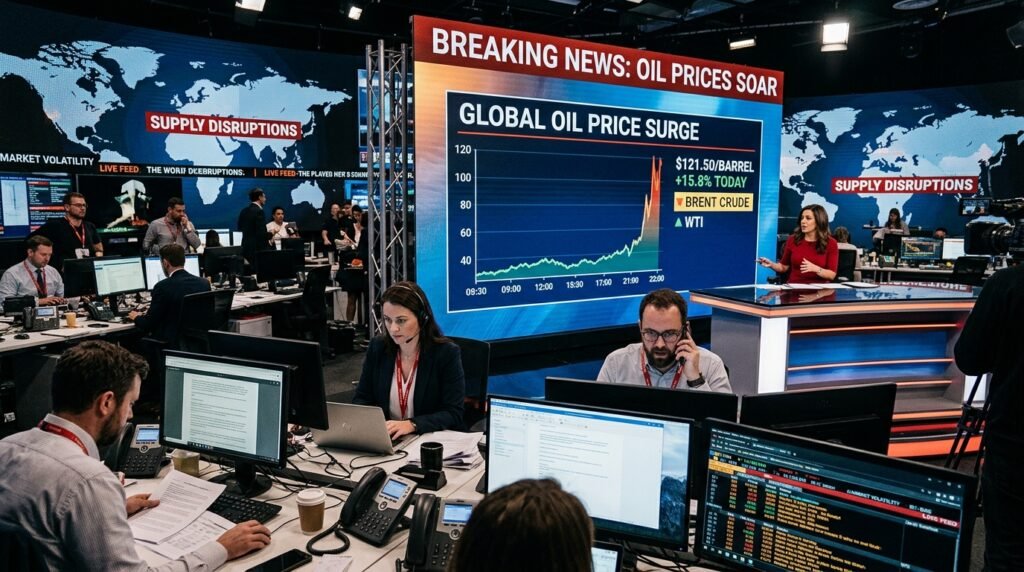
Global financial markets experienced sudden volatility early Saturday after crude oil prices surged sharply following escalating tensions in the Middle East. The development has raised concerns among investors, economists, and policymakers worldwide, as the region remains one of the most critical hubs for global energy supply.
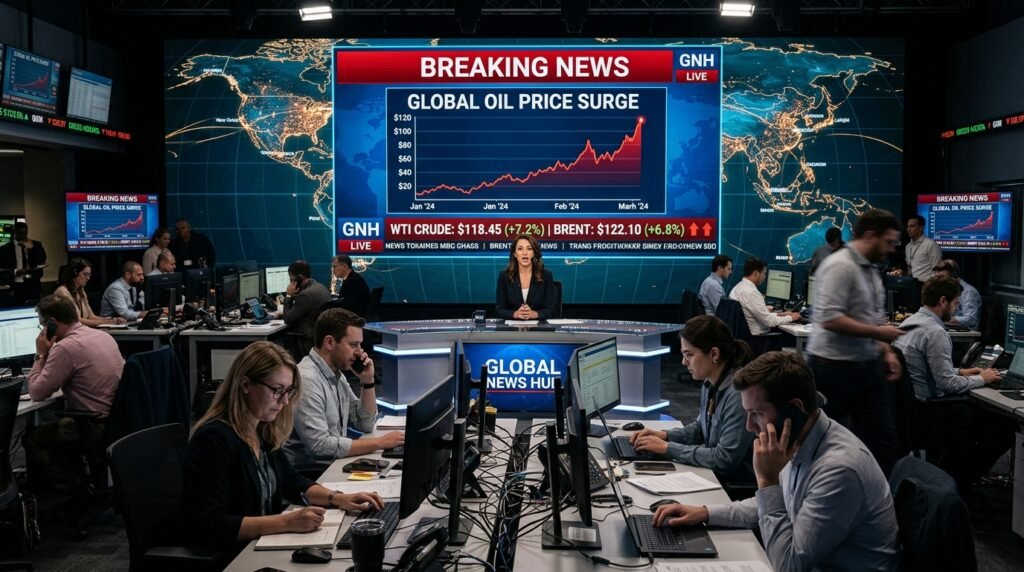
Energy analysts say geopolitical tensions in oil-producing regions often create immediate ripple effects across global markets. Within hours of the reports, crude oil benchmarks showed notable increases, prompting investors to reassess risk across multiple sectors including transportation, logistics, and manufacturing.
Why Oil Prices Are Rising
According to market experts, oil prices tend to react quickly when there are concerns about supply disruptions. The Middle East accounts for a significant portion of the world’s crude oil exports, meaning any geopolitical uncertainty can trigger price fluctuations.
Traders monitoring global commodities markets reported increased demand for oil futures as investors moved to hedge against potential supply shortages.
Global Market Reaction
Stock markets across Asia and Europe opened cautiously following the news. Energy sector stocks showed gains while airline and transportation companies saw slight declines due to concerns about rising fuel costs.
Several financial analysts believe that if oil prices remain elevated, inflation pressures could increase in multiple countries. Governments may also consider tapping into strategic oil reserves to stabilize supply and reduce market panic.
Impact on Transportation and Industry
Higher oil prices often translate directly into increased fuel costs. Airlines, shipping companies, and logistics firms could face rising operational expenses if the price surge continues.
Industry experts warn that supply chain costs may increase globally, which could ultimately affect consumer prices for goods and services.
Economic Implications
Economists say that sustained oil price increases could have broader macroeconomic consequences. Countries that rely heavily on imported energy may experience currency fluctuations and higher inflation rates.
At the same time, oil-producing nations may benefit from stronger energy revenues, potentially reshaping trade dynamics in global markets.
Diplomatic Developments
International organizations and global leaders are closely monitoring the situation. Diplomatic discussions are expected in the coming days as governments attempt to prevent further escalation and ensure stability in global energy supplies.
Experts say the coming week will be crucial for determining whether oil prices stabilize or continue rising.
What Investors Are Watching
Market observers are currently focused on several key indicators:
- Official statements from governments
- Energy production updates
- Shipping and logistics disruptions
- International diplomatic negotiations
Any new developments could quickly influence market sentiment.
The Bigger Picture
Geopolitical events have historically played a major role in shaping energy markets. Even minor disruptions in major oil-producing regions can create global economic ripple effects.
While it is still too early to determine the long-term impact of the current situation, analysts say investors should expect short-term volatility in energy markets.
Live Updates Expected
As the situation develops, more information is expected from government officials, international organizations, and financial analysts.
Newsrooms around the world continue to monitor developments closely, and updates will follow as more verified information becomes available.


